Monday, January 14, 2013

Garden planning: Test your soil for lead


Spring is on its way, and you've decided that this is the year you're going to plant a vegetable garden. You've even picked out a nice sunny spot in the yard. But before you start digging up your lawn, there's something very important you need to do:

Test your garden soil for lead.


Lead contamination in backyard soil is common, and lead is toxic. Even at low doses, it can cause brain damage, nerve disorders, muscle pain, reproductive problems, and other serious health issues — especially for babies and children, whose nervous systems are still developing. 

It can take a few weeks to get the results back, so if you do the tests now, you'll have the results in plenty of time to fix the soil and plant your garden. (If you live somewhere with "real" winter, feel free to wait until the ground thaws first.) 

Thursday, January 10, 2013

Produce aisle tantrum

Cherry tomatoes from my garden

In the grocery store this evening, I saw a toddler in a cart, preparing to throw a tantrum. But the object of her ardent desire was not the usual sugary cereal or candy bar.

"I WANT those little tomatoes!" she told her dad (and everyone else in the vicinity), pointing at a basket of cherry tomatoes. 

It warmed my heart to no end, seeing a small child get that wound up — in a positive way, that is — about produce. And not seedless grapes or strawberries or melon, but tomatoes. When I was a kid, I hated tomatoes. Hated. Of course, I was an especially picky child, and also hated avocados, pesto, persimmons, and all sorts of things I now know to be wonderful. (I was very fond of lima beans, though. Go figure.) 

But still. How many kids are that excited about produce? How many fruits and vegetables can inspire that kind of passion? And most importantly, how do you get kids (and grownups, for that matter) to crave fruits and vegetables the way they crave candy and chips and soda?
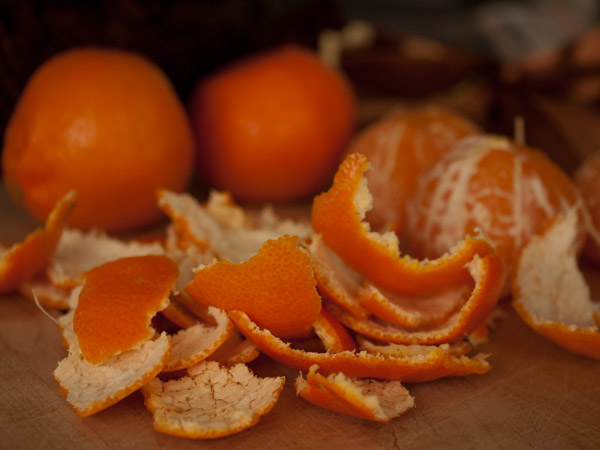
Mandarin oranges, clementines, or tangerinesThe folks behind those ubiquitous boxes of diminutive mandarin oranges, tangerines, and clementines have certainly done a good job. Their little citruses are delicious, seedless, easy to peel, and just the right size for little hands. Plus, they've got a marketing budget to help make that point, with commercials and magazine ads. 

The packaging is brilliant, too. Putting them in 5-lb. boxes means eye-catching displays, and helps you ignore the fact that you probably wouldn't buy them five pounds at a time if they were sold individually. And once you've got them home, the fact that you have five pounds of them makes it easy to eat two or five or ten at a time.

I'm not suggesting that all produce should be branded and marketed this way. I'm not looking to raise costs for the growers or consumers. And I certainly don't want to bring more problems into a market where perfectly good produce is left to rot because it doesn't meet a distributor's specifications for size, shape, and color.

I would, however, dearly love to find an advertising network that would enable me to support this blog with well-designed, tested, and optimized advertisements for whole grains, in-season produce, and your local farmers market. 

Monday, January 7, 2013

Quick & Easy Honey-Oat Bread with Sage Butter (but without the spent grains from the honey-sage beer you just brewed)


Hot loaf of quick and easy honey-oat bread

This is the fastest, easiest bread I have ever made. Seriously, it might be easier to make it by hand than it is to dig your bread machine out from the back of the cabinet. One bowl, one spoon, zero kneading.

Best of all, it's a yeast bread that goes from start to finish in a little over an hour (assuming you're not stopping to take photographs of every step). The trade-off is that it is a little heavier than your traditional loaf. I'm guessing it might not be great for sandwiches, but it is fantastic for eating half the loaf while it's still hot out of the oven. Correction: we ate 3/4 of the loaf while it was hot, but what was left the next day was excellent for sandwiches. 

Honey-oat bread with sage butter
Butter infused with flecks of fresh sage

Friday, January 4, 2013

New Year's diet resolution? You have fun with that.

Perpetual spinach (Beta vulgaris var cicla) and a summer peach
Perpetual spinach (Beta vulgaris var cicla) gets sautéed with arugula-lamb sausages and a summer peach


I have a confession. That thing I said about pie being less fattening if you plan a garden while eating it? Not actually true. 

So if you followed my example and ate the equivalent of an entire pecan pie over the course of the holidays, not to mention several pounds of cookies, cakes, bagels with cream cheese and lox, champagne, candy, more champagne, and several pounds of latkes, you may be feeling a little sick of rich food right now. I certainly am. 

And also possibly a few pounds heavier than before the holiday season. 

Miner's lettuce with pappardelle, cherry tomatoes, and fresh ricotta cheese


Wednesday, January 2, 2013

The top posts of 2012


Happy new year! It's January second, and many of you are heading back into work despite not having quite recovered from the holidays. Fortunately, it's a short week. If it makes you feel better, I spent the afternoon shoveling rabbit poop and soggy compost.

I did take a minute to check the blog stats for 2012 (readers in 47 countries, not bad for a 6 month-old blog) and thought I'd share the most popular posts from 2012. It looks like I should post updates on the ficoide glaciale and the cape gooseberry plants; both are doing splendidly. Although looking at the search engine reports, if I really want to target the most popular search terms, I need to do more posts on "big melons."

The most popular posts of 2012:

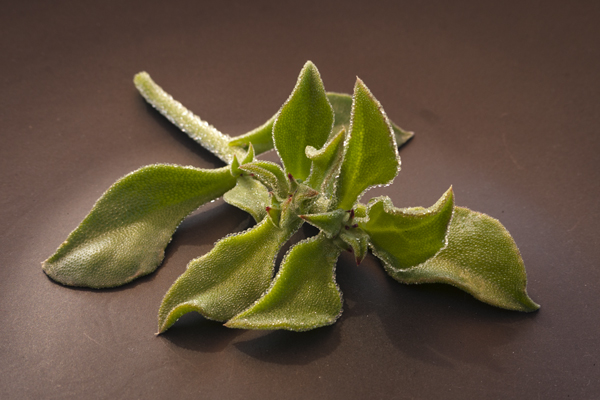
FAQ: Ficoide glaciale    

Glacier lettuce (ficoide glaciale)


FAQ: Cape gooseberry    

Cape gooseberry (Physalis peruviana)


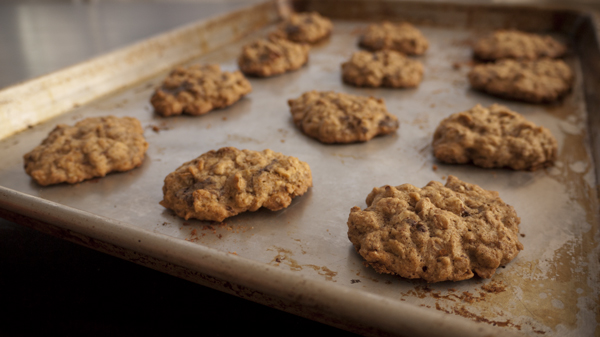
Garam masala oatmeal chocolate chip cookies    

Garam masala oatmeal chocolate chip cookies


What to do with that leftover pumpkin puree    

Kabocha squash soup, Kabocha squash empanadas


Tuna salad, with chickpeas instead of tuna    

Tuna salad with chickpeas instead of tuna


Warm kale salad with roasted butternut squash, parsnips, and caramelized red onions    

Warm kale salad with roasted butternut squash, parsnips, and red onions


Fee Fi Fo Fum: scarlet runner beans    

Scarlet runner beans (Phaseolus coccineus)


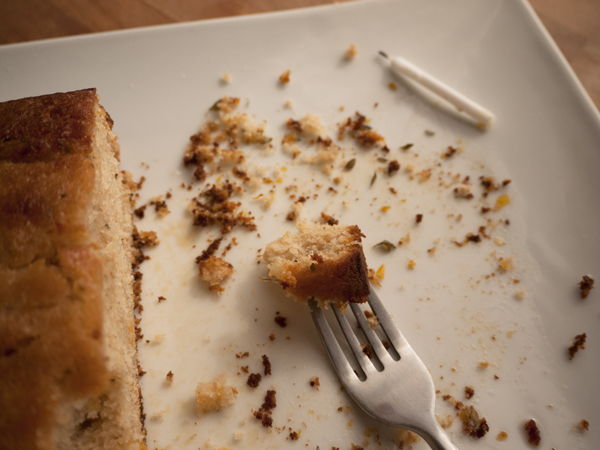
Lemon-thyme-rosemary cake #2

Lemon-thyme-rosemary cake


Wednesday, December 26, 2012

Winter garden


The winter garden is wet and cold, but stubbornly remains too productive for me to just ignore it until the weather gets nicer. Fall-planted peas are forming pods. Salad greens are thriving despite the fact that I don't especially crave salad right now, leading me to look for warm dishes to make with mâche and miner's lettuce and ficoide glaciale.

The last of the root crops are patiently waiting to be picked, most of them still good after all these months. The rhubarb is loving the rain and has unfolded enormous leaves over vibrant red stalks, but I am obeying the Sunset Western Garden Book of Edibles and giving it two full growing seasons to get established before I start harvesting it.

rhubarb (Rheum rhabarbarum)